Sustainability
Together for a better future
Together on the path of ecological transition to create stable and lasting value—for our lives, for the future of our planet, and for generations to come.
Circular economy vs. linear economy
The linear economy is a model in which resources are extracted, used to produce goods and services, and then disposed of as waste. This approach does not consider the environmental impact of economic activities. As a result, the linear model leads to significant resource waste, large amounts of waste production, and increased pollution.
The circular economy, on the other hand, is an approach aimed at reducing resource waste and creating a more sustainable and efficient system. Its main goal is to minimize the use of raw materials and resources, optimize the use of existing ones, and promote reuse, recycling, and recovery of materials. Rather than treating waste as something to be discarded, the idea is to see it as a valuable resource—turning today’s products into tomorrow’s materials.
The circular economy offers numerous benefits: greater resource efficiency, reduced waste and pollution, technological innovation, and the creation of new job opportunities linked to resource management and recovery.
RiCircola, based on the principles of the circular economy, supports companies on their path toward sustainable business by designing systems to transform and repurpose waste into new raw materials—either for reuse within the same company or in entirely different sectors.
Life Cycle assessment
Life Cycle Assessment (LCA) is a method used to evaluate the environmental impact of a product, service, or process throughout its entire life cycle. It is a systematic and scientific approach that considers all life cycle stages and assesses the associated environmental impacts, including the consumption of natural resources, air emissions, water and soil pollution, land use, energy consumption, and waste generation.
LCA provides valuable insights to support environmental decision-making and improvements. It can be used to compare alternatives, identify critical points and areas for improvement, assess the effectiveness of environmental policies, and guide the design of more sustainable products and processes.
Among the services offered by RiCircola is Life Cycle Assessment (LCA), aimed at companies interested in calculating the environmental impact of a product or process.
Sustainable development goals
The 2030 Agenda for Sustainable Development is an action plan for people, the planet, and prosperity, adopted in September 2015 by the governments of the 193 UN member states.
It includes 17 Sustainable Development Goals (SDGs)—a comprehensive action program designed to address the world’s most urgent social, economic, and environmental challenges.
Also known as the Global Goals, the SDGs were created to guide efforts toward building a more sustainable and equitable future for all by the year 2030.
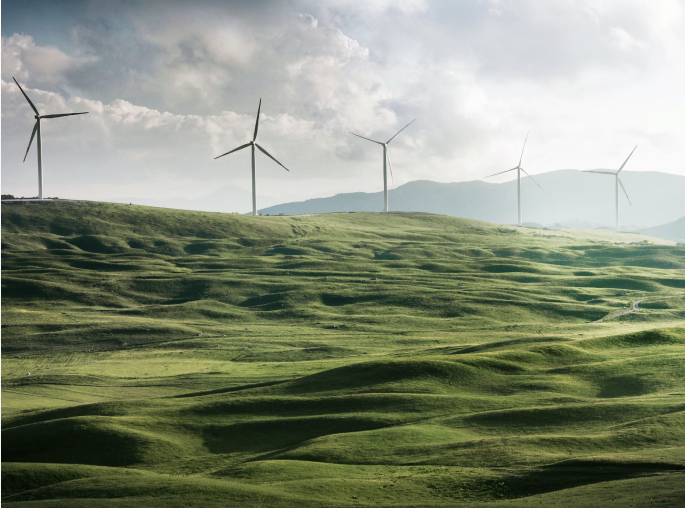
Our impact on the planet
Ricircola is committed to reducing the environmental impact of businesses by activating processes that promote environmental and social sustainability, and by sharing these principles with partners and clients.
Through the development of innovative, contemporary, and consistent business models, Ricircola aims to champion a new way of doing business—paving the way for sustainable economic development.
2030 Agenda
Ri.Circola’s commitment to the 2030 Agenda

Quality Education
Ri.Circola is committed to providing fair and high-quality training on the most current topics related to sustainability and the circular economy.

Work Ethics and Economic Growth
Ri.Circola believes in the value of people’s work and ensures economic and social respect for the work performed.

Industry, Innovation, and Infrastructure
Ri.Circola aims to engage as many companies as possible and lead them toward a necessary change for the benefit of the businesses themselves, society, and the planet.

Sustainable Cities and Communities
Ri.Circola extends its services to public institutions and municipalities, aiming to improve the lives of small communities through significant changes for the benefit of the environment and society.

Responsible Consumption and Production
Through research and development, Ri.Circola is committed to contributing to the transformation of product and process design to make them as eco-friendly and sustainable as possible.

Partnership
Ri.Circola’s goal is to create a network of organizations collaborating together for sustainable development—a shared community of values, ideas, and opportunities.